The story of MAFA
Since its foundation, the Manchester Academy of Fine Arts has played an important role in the cultural life of the city and the wider North West.
Shaped by generations of artists, educators and advocates for the visual arts, the Academy has evolved alongside Manchester itself while remaining true to its founding purpose: to champion artistic excellence, support practising artists and connect people through art.
Explore some of the key moments, people and milestones that have shaped MAFA’s story.
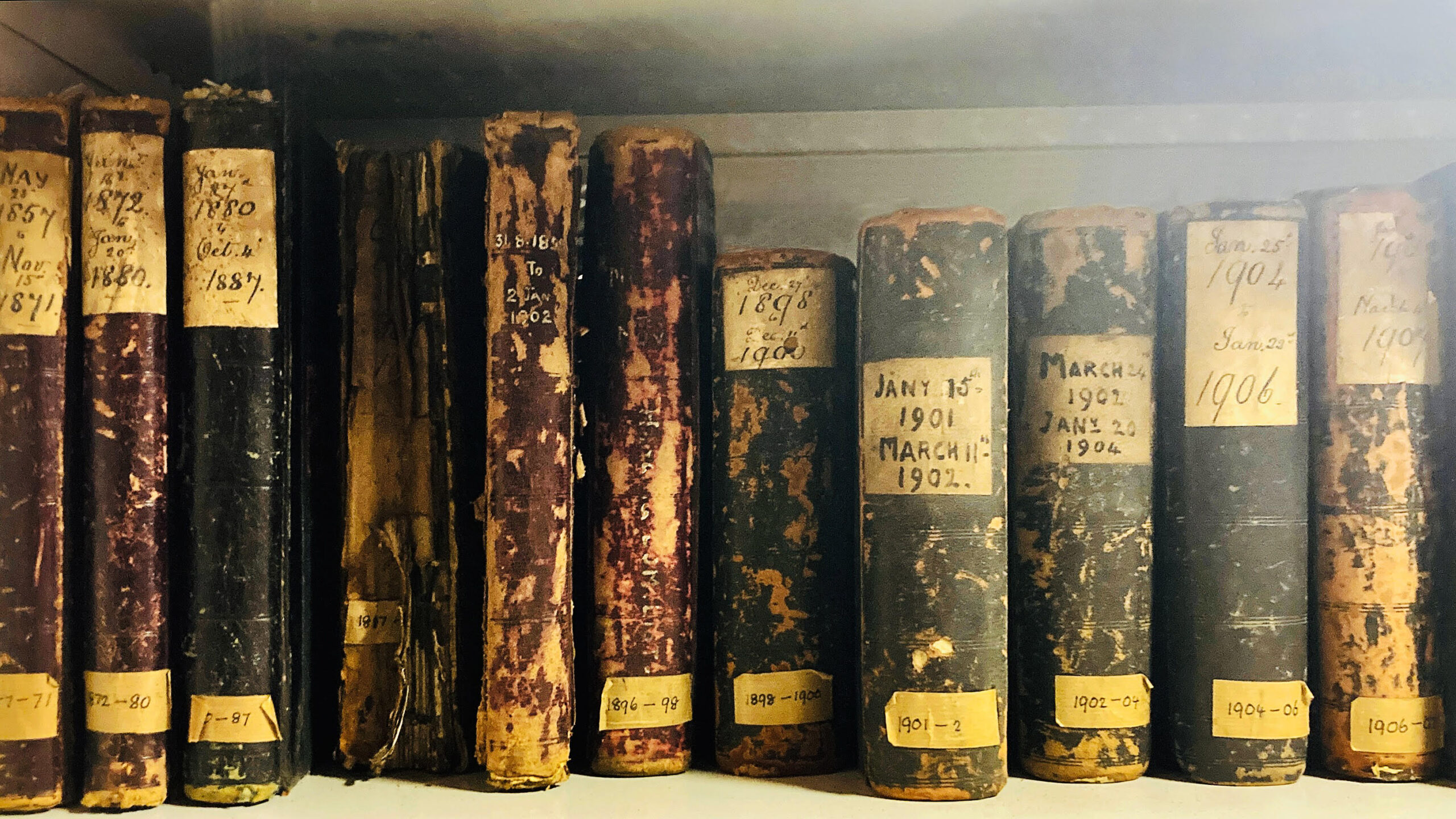
1857
By Royal approval
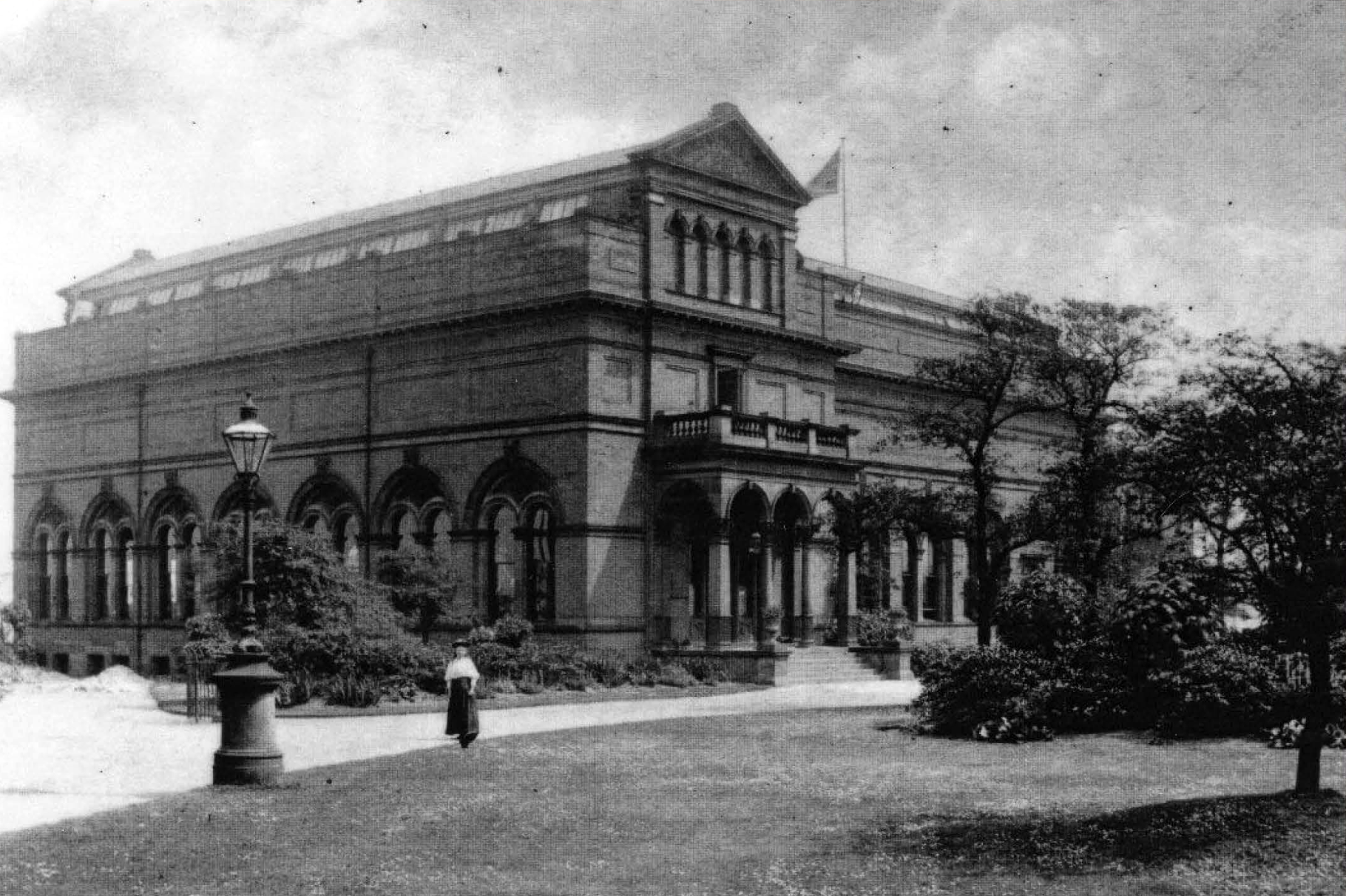
The origins of MAFA begin in 1857, when HRH Prince Albert visited Peel Park Museum, now Salford Art Gallery, to open an exhibition by a group of local artists called the Associated Artists of Manchester. One of them, James Astbury Hammersley (1818–1867), delivered a speech asking Prince Albert to lend his name and patronage to a proposal to establish a “Manchester Academy of Fine Arts”.
Prince Albert was impressed by the high standard of the exhibition and enthusiastic about the idea of an academy, selecting five works from the exhibition to purchase. Although he did not ultimately give his patronage, the visit effectively marked the beginning of MAFA.
1859–1900
New beginnings
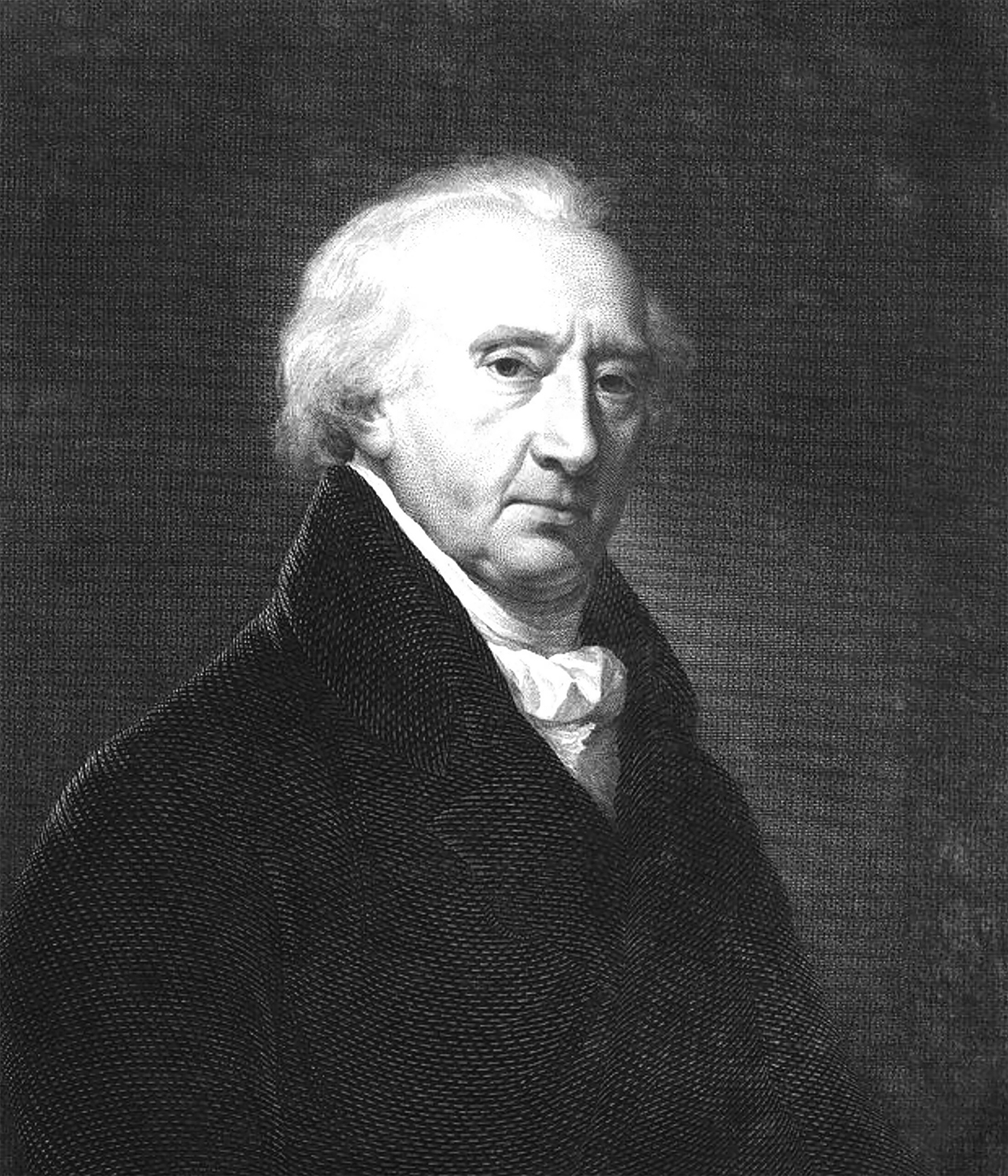
The Manchester Academy of Fine Arts was officially founded on 14 November 1859, with James Astbury Hammersley as its inaugural President. It was based at the Royal Manchester Institution (RMI) on Mosley Street, where Hammersley was also Head of the Manchester School of Art. The Academy was a sectional department of the RMI, established to promote artistic excellence through education and support practising artists across the region. Members studied in the Life Room and also ran Life classes there.
The Academy quickly grew and prospered. By the end of the 1860s, an annual spring MAFA members’ exhibition, complete with opening soirées, had been established at the RMI and became one of the highlights of Manchester’s social calendar.
Around the same time, Academician and distinguished architect Alfred Waterhouse (1830–1905) won the commission to design Manchester Town Hall, which was completed in 1877. A year later, another MAFA member, Ford Madox Brown (1821–1893), was commissioned to paint the twelve Manchester Murals for the Town Hall.
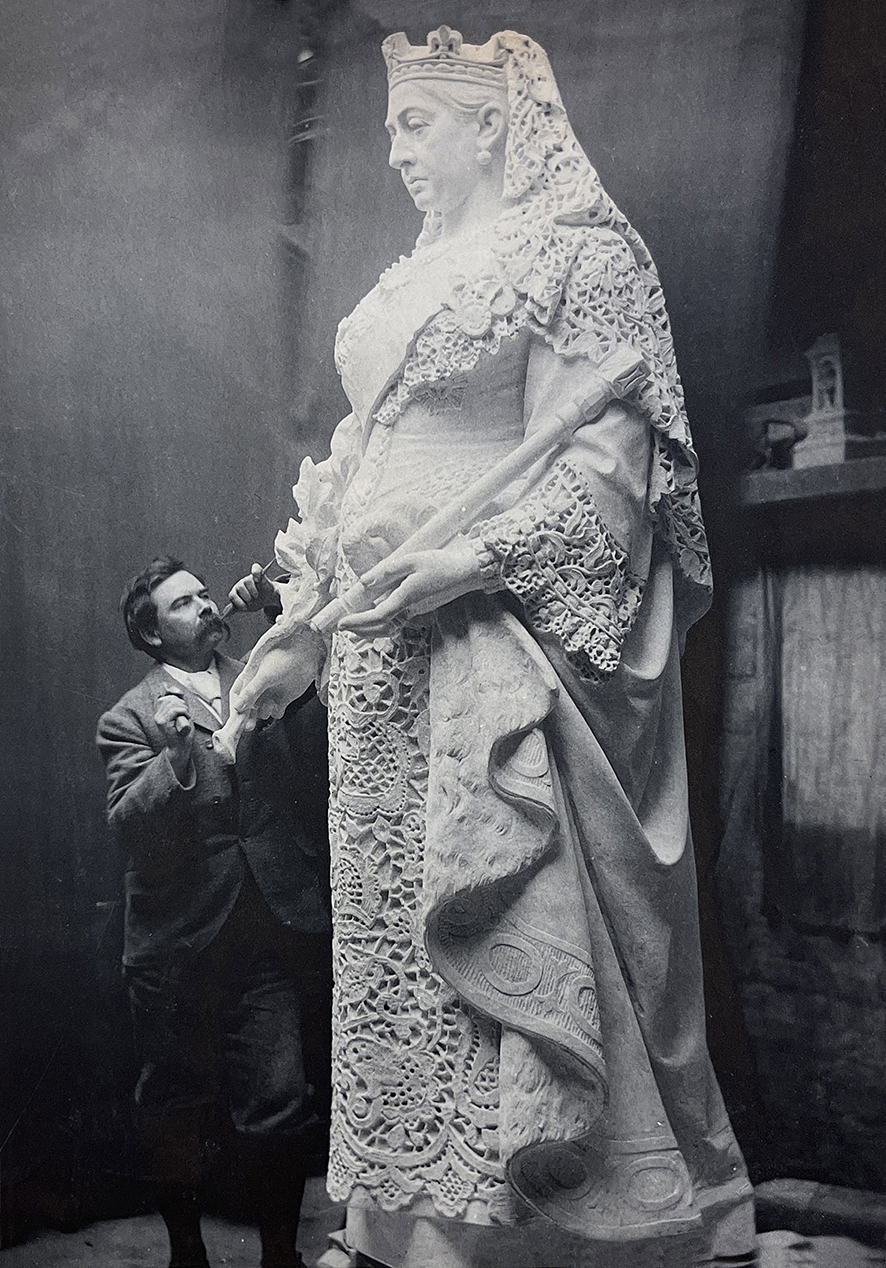
In 1882, the RMI building and its collections were gifted to the city and it became Manchester City Art Gallery. While MAFA’s annual exhibitions continued to be held there, the Academy was asked to leave the building on Mosley Street, and its Life classes moved to 25 Brazennose Street.
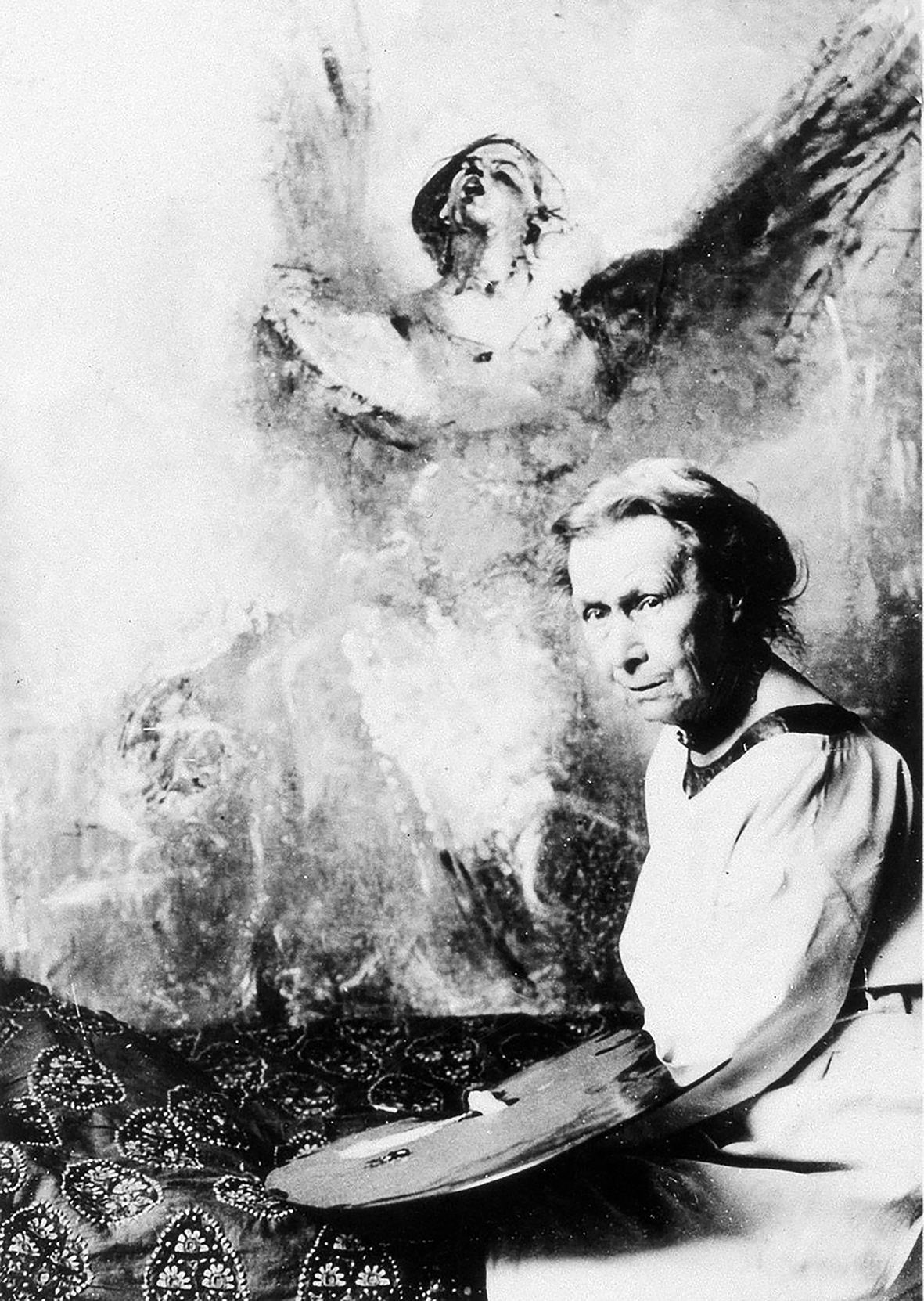
Isobel Dacre (1844–1933) and Annie Swynnerton (née Robinson, 1844–1933) were the first of nine women to join MAFA in 1884. They had co-founded the Manchester Society of Women Painters five years earlier but disbanded it when MAFA began admitting women.
The final decades of the 19th century saw more notable artists join the Academy, including the sculptor John Cassidy (1860–1939), illustrator Emily Gertrude Thompson (1850–1929), and painters Reginald Barber (1851–1928) and Mary McNicholl Wroe (1861–1955).
1900–1950
Increasing prestige
The Academy’s time in Brazennose Street ended in 1902, when its Life classes moved into two rented rooms at 16 John Dalton Street. They remained there teaching students until 1921, when the Academy’s Secretary, Elias Bancroft (1846–1924), offered his home and studio at 10 Acomb Street as MAFA’s new base. Following his death in 1938, the Academy purchased the property, which remained its headquarters until it was sold in 1948.
During the First World War, several MAFA members were appointed official war artists, including Francis Dodd (1874–1949) and Thomas Dugdale (1880–1952), whose works now form part of the Imperial War Museum collection. Eleanor Wood (1876–1910) also organised a War Fund Art Union lottery at Manchester City Art Gallery, raising money for the war effort through the sale of artworks.
MAFA continued to hold its annual spring members’ exhibition at Manchester City Art Gallery. In 1920, an impressive 23,000 people attended the exhibition and more than 2,500 catalogues were sold. Around this time, following a change to the Academy’s statutes, several distinguished artists became honorary MAFA members, including Sir William Orpen, R.A. (1878–1931), Henry Lamb (1883–1960) and Terrick Williams, A.R.A. (1860–1936).
In 1922, Annie Swynnerton, aged 78, was elected an Associate of the Royal Academy (A.R.A.), becoming the first woman elected to the Royal Academy since its foundation in 1768.
By the end of the 1920s, the Chairman and Deputy Chairman of the City Art Galleries Committee had accepted seats on the MAFA Council. In 1932, the Academy’s annual exhibition was opened to non-members.
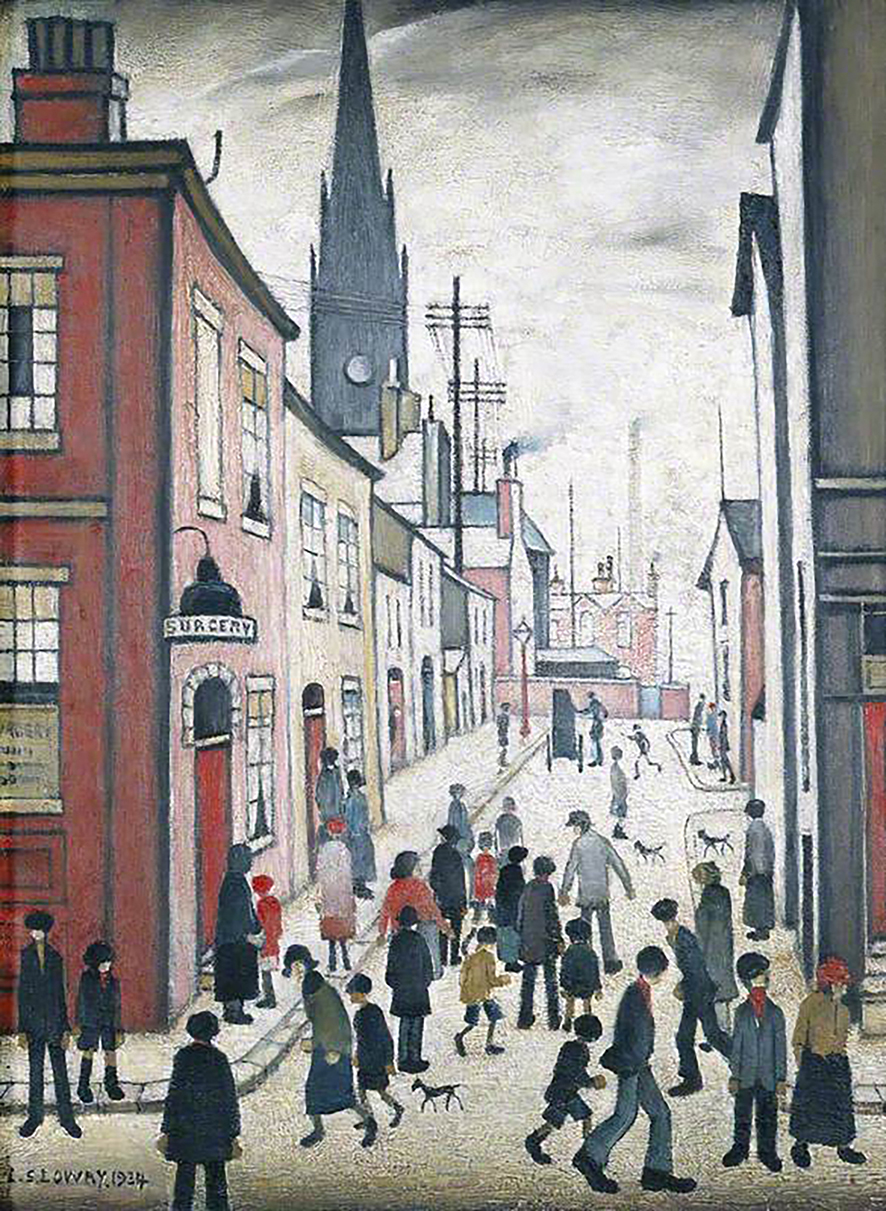
James Patchell Chettle (1871–1944) became MAFA President in 1934 and, within a year, invited his friend L. S. Lowry (1887–1976) to join the Academy. Lowry was duly elected and remained a member until his death. He already had a long association with MAFA, having taken private drawing lessons from member Reginald Barber in his early twenties and attended the Academy’s Saturday afternoon Life classes in the spring and summer of 1918. Under Chettle’s presidency, throughout the 1930s and 1940s, Emmanuel Levy (1900–1986), Harry Rutherford (1903–1985), Terry McGlynn (1903–1973) and Ian Grant (1904–1993) also joined the Academy.
1950–2000
An era of change
The post-war years saw profound changes in art and in the Academy. This included the emergence of the influential Northern School, with many artists drawing inspiration from industrial landscapes and everyday working life. Some of the new MAFA members, including Theodore Major (1908–1999), Norman Jaques (1926–1996) and Roger Hampson (1925–1996), were shining examples of this.
Margo Ingham’s Mid-Day Studios, in a basement opposite Manchester Art Gallery, supported this movement and regularly exhibited work that had been rejected from the MAFA Open Exhibition, which was widely regarded at the time as being more traditional.
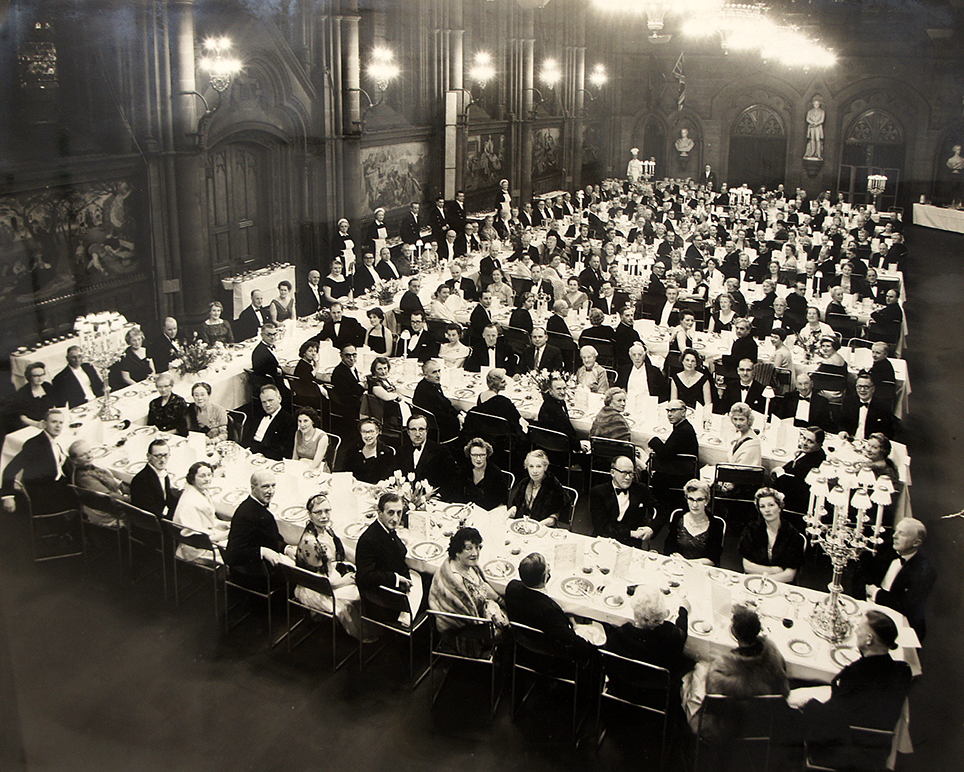
MAFA marked its centenary on 23rd January 1959, and a celebration dinner was held in the Great Hall at Manchester Town Hall. Over 200 guests dined in the building designed by Alfred Waterhouse, overlooked by the Twelve Manchester Murals painted by Ford Madox Brown.
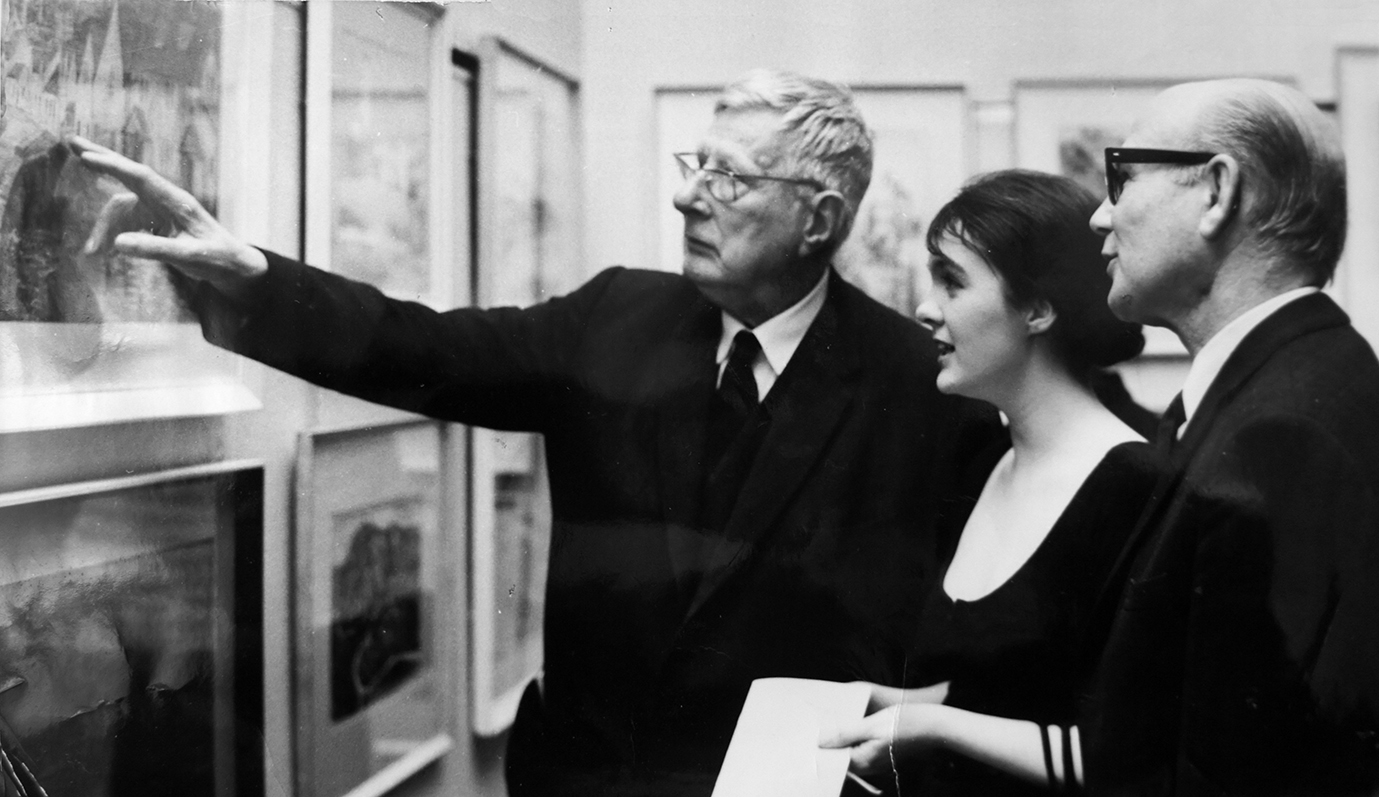
Under the presidency of Harry Rutherford, with Kenneth Clark as Trustee, MAFA began to encourage younger contemporary artists, including those working in increasingly abstract styles. This coincided with other artists joining the Academy, including Geoffrey Key, Harold Riley (1934–2023) and Ted Roocroft (1918–1991).
L. S. Lowry continued to play an active role in the Academy and was regularly involved in judging MAFA’s annual exhibition, right up until his death in 1976.
Glenys Latham (1946–2026) made history in 1990 when she was elected as the first woman President of MAFA. This was also a period in which the Academy reflected an increasingly diverse artistic landscape, with members working across painting, sculpture, printmaking and contemporary media, from Dawn Rowland and her powerful stone sculptures to Don McKinlay (1929–2017) and his politically charged paintings.
As the century drew to a close, more works by MAFA artists were entering public collections, while more Academicians were gaining international recognition.
2000–present
An ongoing legacy
The start of the 21st century brought a seismic change when MAFA exhibited at Manchester Art Gallery for the last time, with the gallery’s new regime seeking a broader perspective in its exhibition programme. The 2003 show featured work by several members, including Ian Thompson (1937–2018), John McCombs (1943–2025), Kath Lowe and Janina Cebertowicz, all four of whom have served as President of the Academy.
Since then, MAFA’s annual members’ exhibition has reflected its shifting geography and been shown in public galleries across Greater Manchester and the North West, including Bury, Bolton, Salford, Stockport and Gallery Oldham. MAFA hopes to return to Manchester Art Gallery one day.
In 2009, John McCombs became MAFA President, and the Academy marked its 150th anniversary with an exhibition in April of that year at The Portico Library on Mosley Street, a stone’s throw from Manchester Art Gallery. This was followed in November by a service of thanksgiving and members’ exhibition at Manchester Cathedral.
The 2010s brought a wave of new Academy members, including sculptor Jo Risley, plein air painter Steven P. Smith, and portraitists Simon Thomas Braiden and Peter Davis. Recent years have also seen a succession of Presidents, including Gerry Halpin, Malcolm Taylor, Kath Lowe and the current President, Janina Cebertowicz.
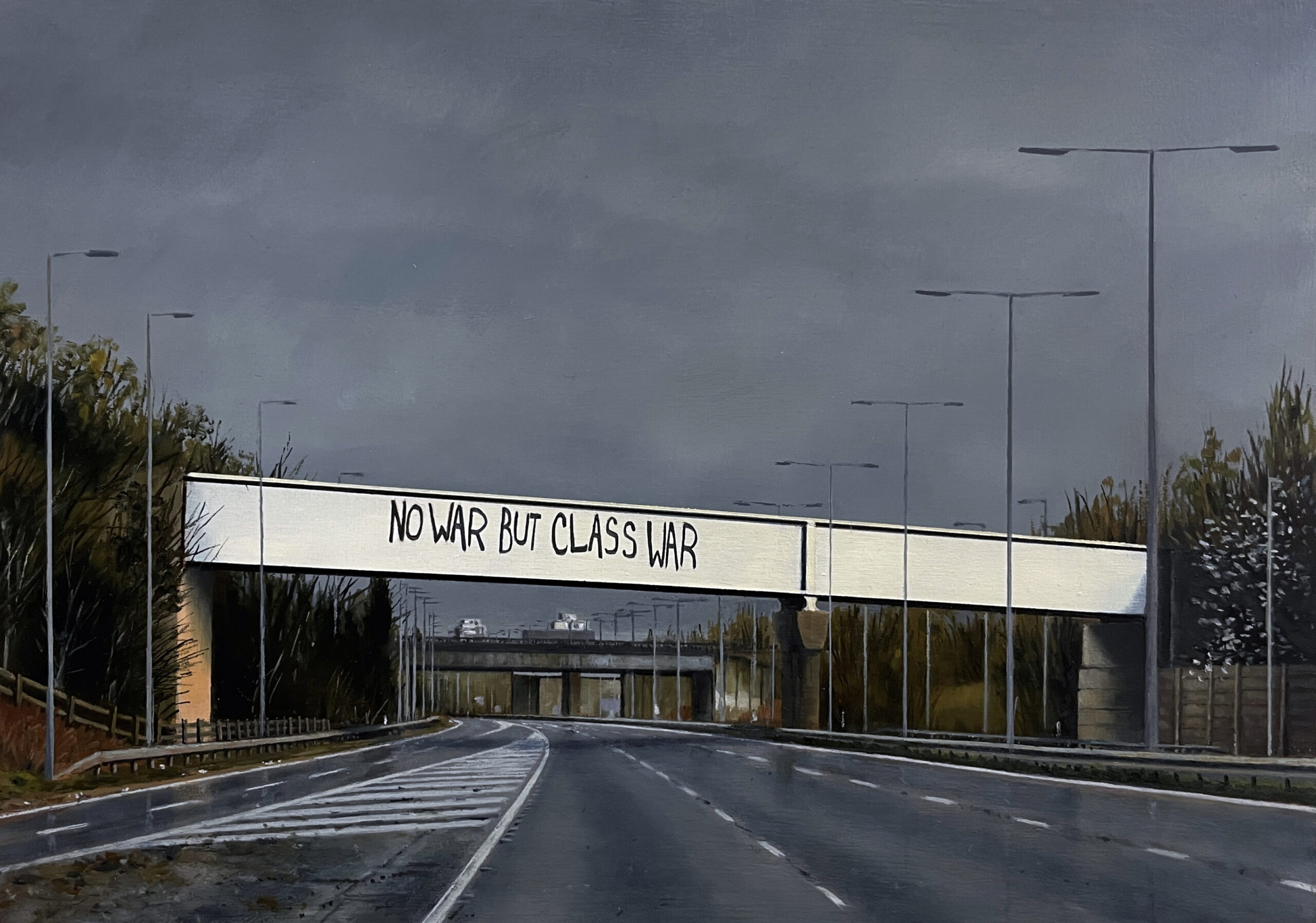
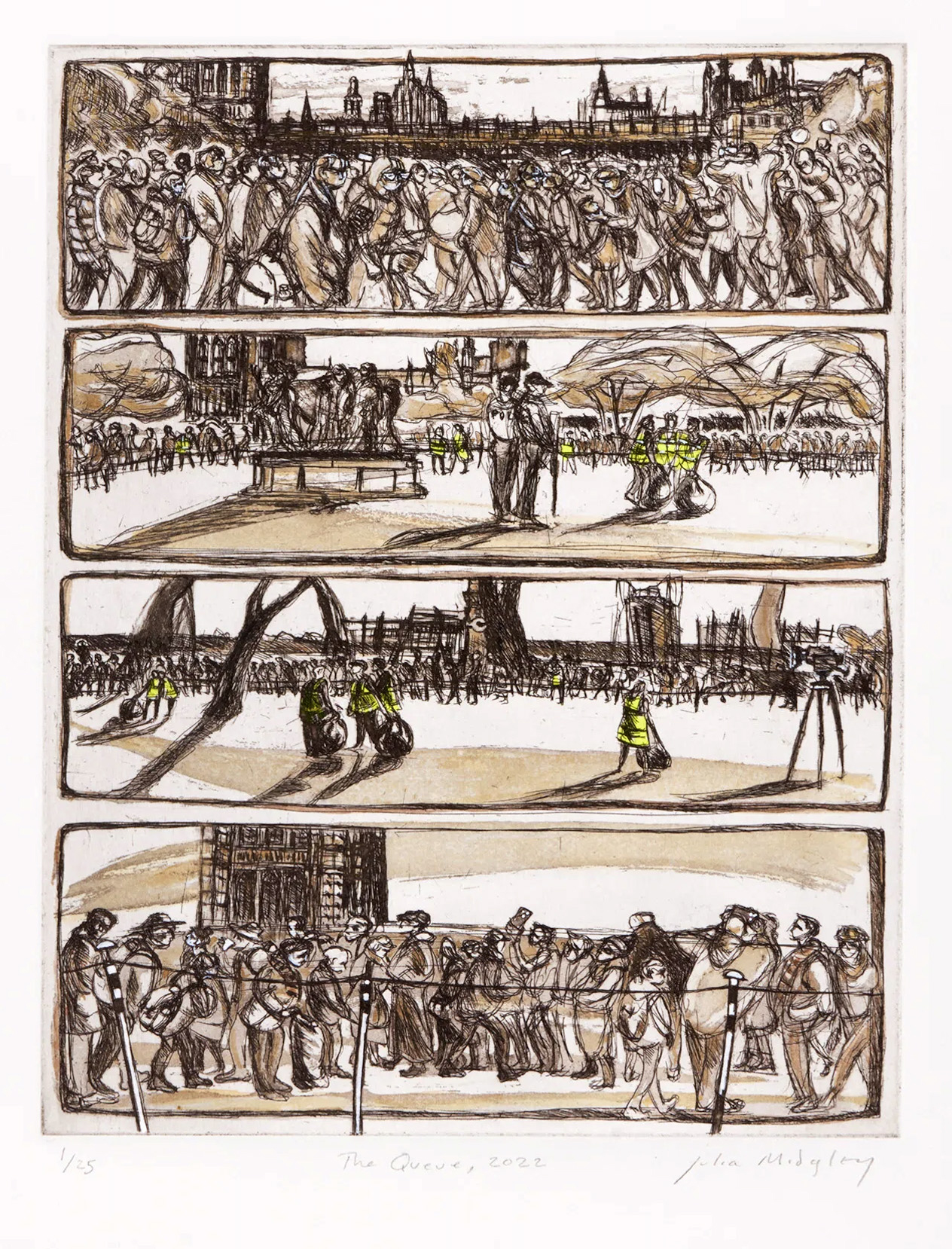
MAFA members have continued to gain recognition. In 2022, Julia Midgley, known for her reportage and documentary drawings, was invited by parliament to witness the lying-in-state of the late Queen Elizabeth II at the Palace of Westminster. She sketched the occasion and later produced an edition of etchings, which are now held in the Parliamentary Art Collection. And in 2024, Jen Orpin’s painting “No War But Class War” entered the collection of Manchester Art Gallery.
Today, MAFA remains a vital part of Manchester’s artistic community. From its beginnings in 1859 to its diverse membership today, the Academy continues to provide artists with a platform to champion their practice through exhibition, education and dialogue, ensuring that its legacy, and that of its members, continues to evolve for generations to come.